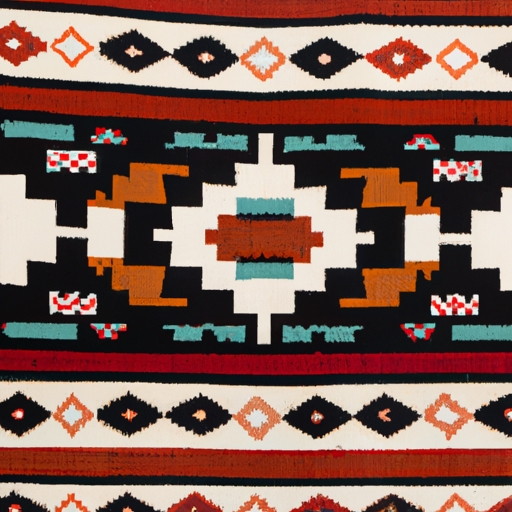
Native American rugs hold a deep history and significance within the culture of indigenous tribes across North America. These beautifully crafted floor area rugs are not just decorative pieces, but rather symbols of tradition, artistry, and spirituality.
The art of weaving rugs has been passed down through generations within Native American communities, with each design and pattern holding its own unique story and meaning. The intricate designs often reflect elements of nature, such as animals, plants, and landscapes that are sacred to the tribe. Through these rugs, tribal members can connect to their ancestors and preserve their cultural heritage.
In addition to their aesthetic beauty, Native American rugs also serve practical purposes within the community. They are used for ceremonies, rituals, and everyday living, providing warmth and comfort to homes. The craftsmanship involved in creating these rugs is a labor-intensive process that requires skill and patience, making each piece truly one-of-a-kind.
Today, authentic Native American rugs are highly sought after by collectors and enthusiasts around the world. They represent more than just a decorative item; they embody the rich history and traditions of indigenous peoples. By owning a piece from an authentic Native American rug collection, individuals can support the preservation of these ancient weaving techniques and honor the legacy of native artisans.
In conclusion, Native American rugs hold immense historical and cultural significance within indigenous communities. Their intricate designs tell stories of tradition and spirituality while serving practical purposes in daily life. Owning an authentic Native American rug is not only a beautiful addition to any home decor but also a way to honor the craftsmanship and heritage of native peoples.