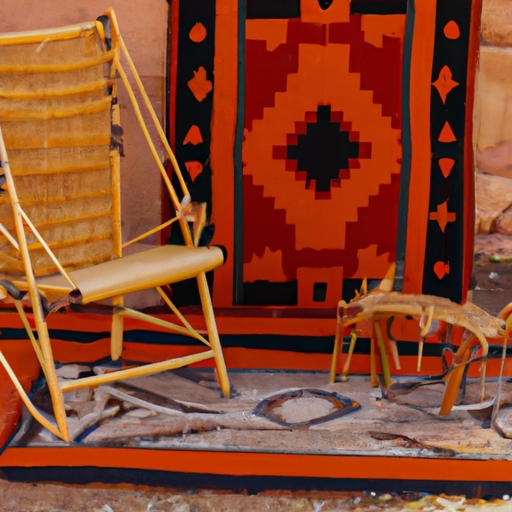
Navajo rugs hold a rich history and deep significance within the Navajo culture. For centuries, the art of weaving these intricate rugs has been passed down from generation to generation, with each rug telling a unique story through its patterns and designs.
The history of Navajo rug weaving dates back to the early 17th century when the Spanish introduced sheep to the Navajo people. This new source of wool allowed the Navajo weavers to create more intricate and colorful designs in their rugs. Over time, they developed their own distinctive style characterized by bold geometric patterns and vibrant colors.
Navajo rugs have played a significant role in Navajo ceremonies and rituals, serving as prayer mats or gifts for special occasions. They are also highly valued for their craftsmanship and beauty, often being passed down as family heirlooms.
In recent years, Navajo rugs have gained recognition as works of art in their own right, with collectors from around the world seeking out these exquisite pieces. The intricate designs and meticulous craftsmanship of Navajo rugs continue to captivate audiences and serve as a testament to the rich cultural heritage of the Navajo people.
Overall, Navajo rugs hold immense historical and cultural significance within the Native American community and beyond. Their beauty and legacy will continue to be cherished for generations to come.