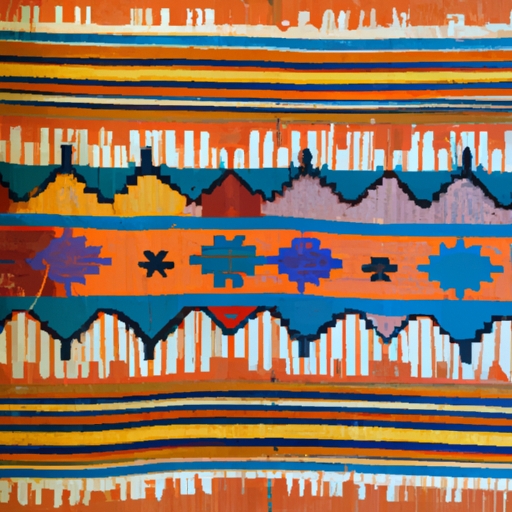
Navajo rug weaving gallery

Navajo rugs have a rich history and cultural significance that stretches back centuries. These beautiful textiles are handwoven by Navajo women using traditional techniques passed down through generations. Each rug tells a story, with intricate designs and patterns that reflect the Navajo people's connection to their land, traditions, and spirituality.

The art of Navajo rug weaving is not only a form of creative expression but also a way to preserve and honor the tribe's heritage. The designs often incorporate symbols that hold deep spiritual meaning, such as rainbows, feathers, and stars. These motifs are believed to bring protection, prosperity, and harmony to the weaver and their community.

Navajo rugs are highly valued for their craftsmanship and artistic quality. They have become prized collectibles around the world, sought after by collectors and decorators alike. Each rug is unique, with variations in color, pattern, and size that reflect the individual style of the weaver.

Visiting a Navajo rug weaving gallery offers a glimpse into this ancient art form and allows visitors to appreciate the skill and creativity of the weavers. It is an opportunity to learn about Navajo culture and history through the lens of these exquisite textiles.

In conclusion, Navajo rugs are more than just decorative pieces – they are cultural treasures that embody the spirit of the Navajo people. Their history and significance continue to be celebrated today through exhibitions, galleries, and museums dedicated to preserving this important tradition.

    Navajo rug weaving is a traditional art form that has been passed down through generations in the Navajo culture. The materials used in Navajo rug weaving are carefully selected and play a crucial role in creating these beautiful, intricate designs.

    One of the most important materials used in Navajo rug weaving is wool. Wool is obtained from sheep raised by the Navajo people and is prized for its softness, durability, and ability to hold vibrant colors. The wool is typically hand-spun into yarn using a drop spindle or spinning wheel before being dyed with natural dyes made from plants such as sagebrush, juniper berries, and cochineal insects.

    In addition to wool, other materials such as cotton and synthetic fibers may also be used in Navajo rug weaving to add texture or strength to the final piece. These materials are often blended with wool to create unique patterns and designs that reflect the weaver's artistic vision.

    The process of selecting and preparing materials for Navajo rug weaving requires skill, patience, and attention to detail. Weavers must carefully consider the quality of the wool, the colors of the dyes, and the overall design of the rug before beginning their work. Each step of the process is done by hand, from shearing the sheep to spinning the yarn to weaving on a loom.

    The result of this meticulous craftsmanship is a stunning work of art that showcases not only the talent of the weaver but also the rich cultural heritage of the Navajo people. By using traditional materials and techniques passed down through generations, Navajo rug weavers continue to create timeless pieces that are cherished by collectors and art enthusiasts around the world.

    Navajo rugs are not just beautiful works of art, they are also important cultural treasures that deserve to be cared for and preserved. Proper care and preservation of Navajo rugs will ensure that they can be enjoyed for generations to come.

    To care for your Navajo rug, it is important to regularly vacuum both sides of the rug to remove dirt and debris. Be sure to use a low-suction vacuum or a handheld attachment to prevent damage to the delicate fibers. You can also gently shake the rug outside to remove any loose dirt.

    Avoid placing your Navajo rug in direct sunlight, as this can cause fading over time. Instead, display your rug in a cool, dry area away from direct sunlight to help preserve its vibrant colors.

    If your Navajo rug does get stained or soiled, it is best to have it professionally cleaned by someone who specializes in cleaning Native American textiles. Do not attempt to clean the rug yourself with harsh chemicals or detergents, as this can damage the fibers and colors.

    When storing your Navajo rug, make sure it is rolled rather than folded to prevent creases and damage. Store the rug in a cool, dry place away from moisture and pests such as moths.

    By following these simple care and preservation tips, you can help ensure that your Navajo rug remains a cherished piece of art for years to come.

    Frequently Asked Questions


    Some galleries may provide educational materials or demonstrations on Navajo weaving traditions and techniques to enhance visitors understanding of this art form.